Économie
Pennsylvania places scam warnings near cryptocurrency ATMs
The attorney general announced a signage campaign with retailers on October 29. Scammers invoke arrest threats or accounts supposedly needing protection to pressure victims into depositing cash.
 Ryan MitchellEditorial pen name
A warning at the point of deposit
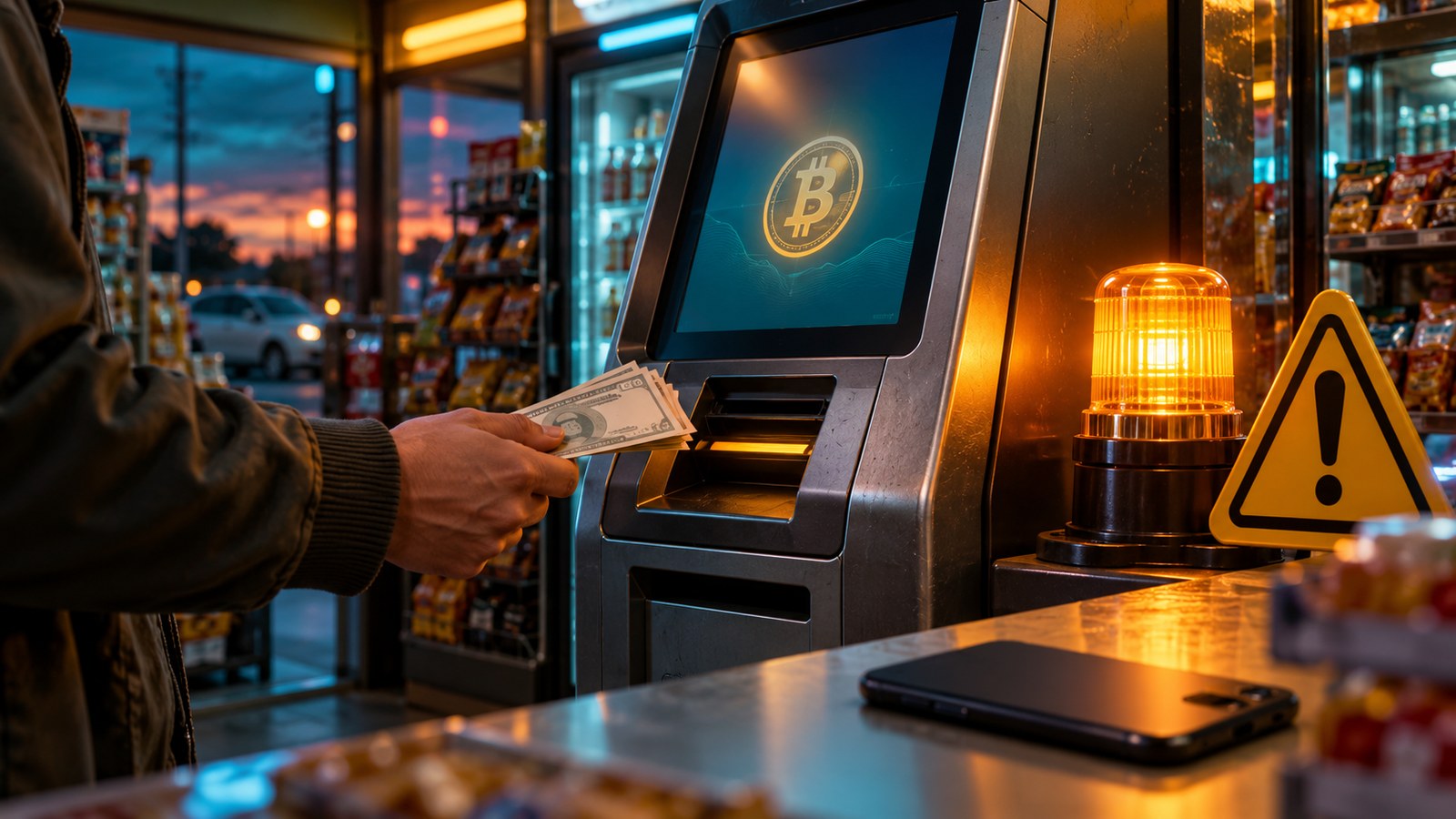
Pennsylvania Attorney General Dave Sunday announced a prevention campaign on October 29, 2026, targeting scams involving cryptocurrency ATMs. The initiative brings his office together with business partners to place warning messages near the machines. Its aim is to interrupt the process when someone is about to convert and send money. This is an awareness effort described by the authority, rather than an announcement of a statewide ban on the machines.
The Bureau of Consumer Protection says it is seeing an increase in scams in which callers pretend to represent sheriff's offices. They threaten victims with arrest and direct them to use a Bitcoin ATM with a QR code supplied remotely. The scenario combines emotional pressure with highly specific payment instructions. A machine's presence inside a real store can make the transaction feel tangible and familiar, even though the transfer destination remains the one specified by the scammer.
False urgency takes the place of verification
The authority reminds consumers that a legitimate law enforcement agency or court will not demand a deposit at a crypto ATM to pay a fine, resolve a warrant or avoid arrest. It also addresses requests supposedly coming from a bank or technical support service to protect an account. The warning sign lies in the process the caller imposes. An immediate threat and pressure not to step back are used to prevent people from checking claims before sending money.
The recommendation is to end the conversation and contact the organization separately using a number obtained from its official website. The number displayed on an incoming call does not authenticate the caller: it can be spoofed. Likewise, a link or testimonial supplied by the person requesting payment is not independent verification. The purpose of this step is to leave the channel controlled by the fraudster, rather than asking that same person for another reassuring piece of evidence.
Investment offers and online relationships are also targeted
The campaign is not limited to police impersonation threats. The statement discusses online relationships that develop into investment proposals, supposedly guaranteed profits and platforms displaying fake gains. Some scammers then demand further payments to release a withdrawal, invoking taxes or fees. Paying an additional demand can prolong the harm. The announcement emphasizes the need not to let a promise of recovering money replace checks on the service and the person making contact.
People who believe they have been targeted are encouraged to stop transfers and preserve messages, receipts, wallet addresses and QR codes used. These records can document the fraud when reporting it to the Bureau of Consumer Protection. Keeping them does not guarantee recovery of funds, but avoids losing useful information. The announced initiative therefore seeks to act before and after a suspicious payment: make the warning visible near the machine, then support a documented response when a consumer identifies the scam.