Économie
NAVRA and tZERO plan qualified custody for securities issued on Provenance Blockchain
The agreement announced on November 17 combines the signing rules in NAVRA’s wallet with release authorization by tZERO’s custodian. The service is intended for institutional investors and white-label clients.
 Ryan MitchellEditorial pen name
Custody will start with securities issued on Provenance
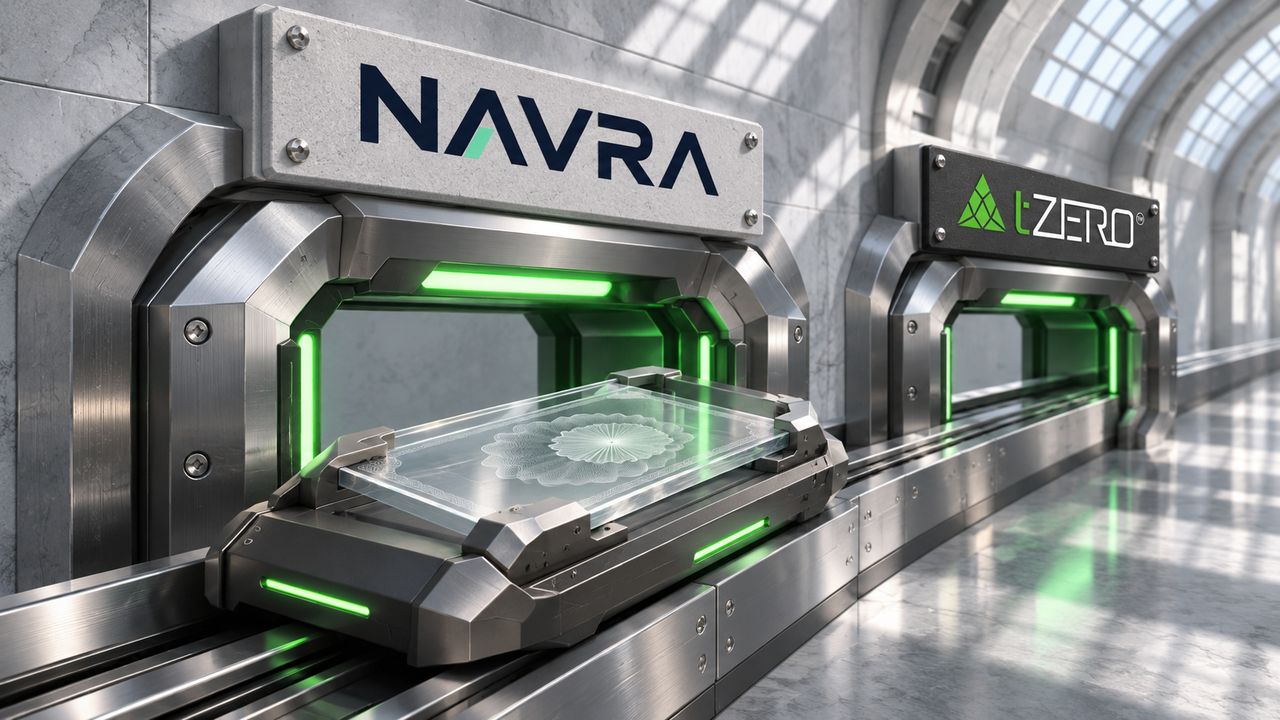
NAVRA and tZERO announced a custody partnership on November 17, 2026, for institutional investors holding digital securities in NAVRA’s wallet. The service is due to start with securities issued on Provenance Blockchain. It will be provided by tZERO’s broker-dealer subsidiary responsible for digital securities custody. The announcement describes a service for NAVRA’s institutional and white-label clients.
The agreement covers assets that can be pledged as collateral or delivered at settlement. When a custodian holds securities, transferring them requires authorization for release. The partners plan to include the custodian in the wallet’s approval process so users can put their assets to work while retaining that control. Their announcement describes the division of responsibilities and the initial scope. It gives no launch date.
Two levels of authorization govern each release
NAVRA’s wallet uses multiparty computation, which distributes signing authority across several nodes. The companies say those nodes enforce rules on who may initiate transfers, what amounts are allowed, and which counterparties may receive them. Records of the decisions are intended to provide an audit trail for approvals. The asset holder defines these rules, which apply when the wallet receives a request to transfer an asset.
For assets held in custody by tZERO, the custodian takes possession of the securities and has a distinct role in releasing them. Once the approvals required by the client are in place, the system allows the custodian to check the exact transaction, destination, and amount before authorizing release. The wallet may therefore have collected the signatures required by the client while the release remains subject to the custodian’s independent control.
The partners are targeting collateral and settlement
The companies give examples of a fund pledging a digital bond as collateral, securing financing, or meeting a margin call. They also mention delivery versus payment, which coordinates a delivery of securities with the corresponding payment. In these situations, how quickly the security can be used depends on the time needed for the various approvals. NAVRA and tZERO present their system as a way to bring those times closer to the processing time of an on-chain transaction.
The announcement says such operations could take minutes in these examples. It describes neither a transaction already performed for an investor nor a contractual withdrawal timeline. The announced scope starts with Provenance Blockchain and does not name the securities that will be available at launch. The actual conditions for using assets as collateral will depend on that list, the rules each client sets, and the checks the custodian performs before release.