Sécurité
Two-device Ethereum wallet proposal changes its signing protocol
On November 13, the author proposed replacing Lindell17 with DKLs23 after a discussion about invalid signatures. The design retains QR-based setup and encrypted NFC exchanges between a computer and a phone.
 Ryan MitchellEditorial pen name
Signing requires both devices to participate
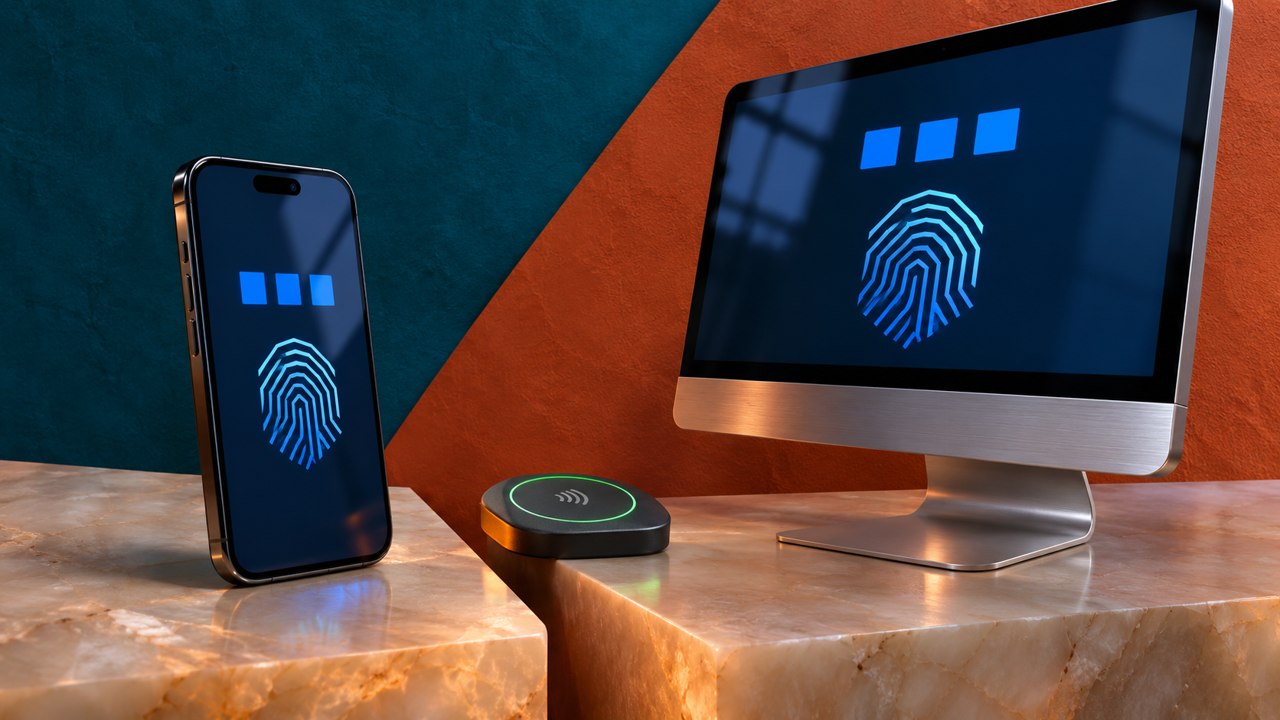
On November 12, 2026, an author on the Ethereum Magicians forum presented a wallet design in which a computer and a phone each hold a share of a private key. To sign, the two devices would jointly compute an ECDSA signature without reconstructing the full private key. The result would be a standard Ethereum signature usable from an ordinary address. Both devices would have to participate because of the signing protocol, without requiring an on-chain multisignature contract.
The proposal sets up trust between the devices using QR codes displayed and scanned in both directions. Each device would independently calculate the wallet address, and the user would compare the addresses and pairing fingerprints. Separate keys would encrypt later exchanges. The NFC reader would enter the process only after setup. It would carry messages and receive no share of the signing key.
An objection concerns repeated signing failures
A participant recalled that some implementations of Lindell17 were affected by a vulnerability disclosed by Fireblocks in 2023. A malicious party can use the results of repeated signing attempts to learn information about the other party’s share. The participant noted that interrupted NFC contact could also abort an attempt during normal use. The software therefore needs to distinguish a transport failure from a completed session that produces an invalid signature.
On November 13, the author proposed using DKLs23 for two-party ECDSA signing through a reviewed implementation. The author said replacing the protocol alone does not solve error handling. The response calls for resuming after an interruption without reusing unsafe signing state. It also distinguishes renewing QR-based communication keys from refreshing the signing key shares.
Each screen must show the request being signed
For a transaction, the computer would prepare the request and the phone would decode its contents independently. The review would include the network, recipient, amount and contract actions. The author proposes applying the same checks to signed permissions, which can give a third party the right to move certain tokens. The device would display the spender, amount, expiration and domain and reject requests it cannot interpret.
The revised design remains a forum proposal. It aims to prevent a compromised device from producing a new signature on its own. Backups also need to keep the shares separate, and each device has to bind its participation to the data the user actually approved.